
Soft Layers of Light for Effortlessly Refined Rooms
The Gentle Architecture of Layers
Establishing the Ambient Baseline
Begin by establishing a comfortable ambient level that allows faces to read naturally and surfaces to feel continuous. Use indirect sources or wide-beam downlights on dimmers, avoiding hard glare. This baseline becomes the canvas for every subsequent layer, keeping decisions coherent and controllable.
Accents That Whisper, Not Shout
Accents should kiss texture rather than shout at it. Aim for narrow beams or soft wall washes that lift art, plants, and architectural details just enough to add depth. Keep output lower than the base, so the composition whispers and never competes for attention.

Fixtures That Disappear, Effects That Remain
Coves, Cornices, and Concealed Washes
Use coves and cornices to bounce warm light off ceilings and upper walls, building brightness without glare. Dimension the ledge to hide diodes, specify high-CRI tape, and include dimming. The result is a floating ceiling effect that relaxes eyes and enlarges perceived volume.
Sconces and the Art of Wall Grazing
Sconces can graze or wash, softening corners and bringing human scale to long walls. Shield the source, favor fabric or frosted glass, and aim for warm color. Mount at eye-comfort height and pair with dimmers to transition smoothly from sociable brightness to evening intimacy.
Tables, Floors, and the Comfort of Diffusion
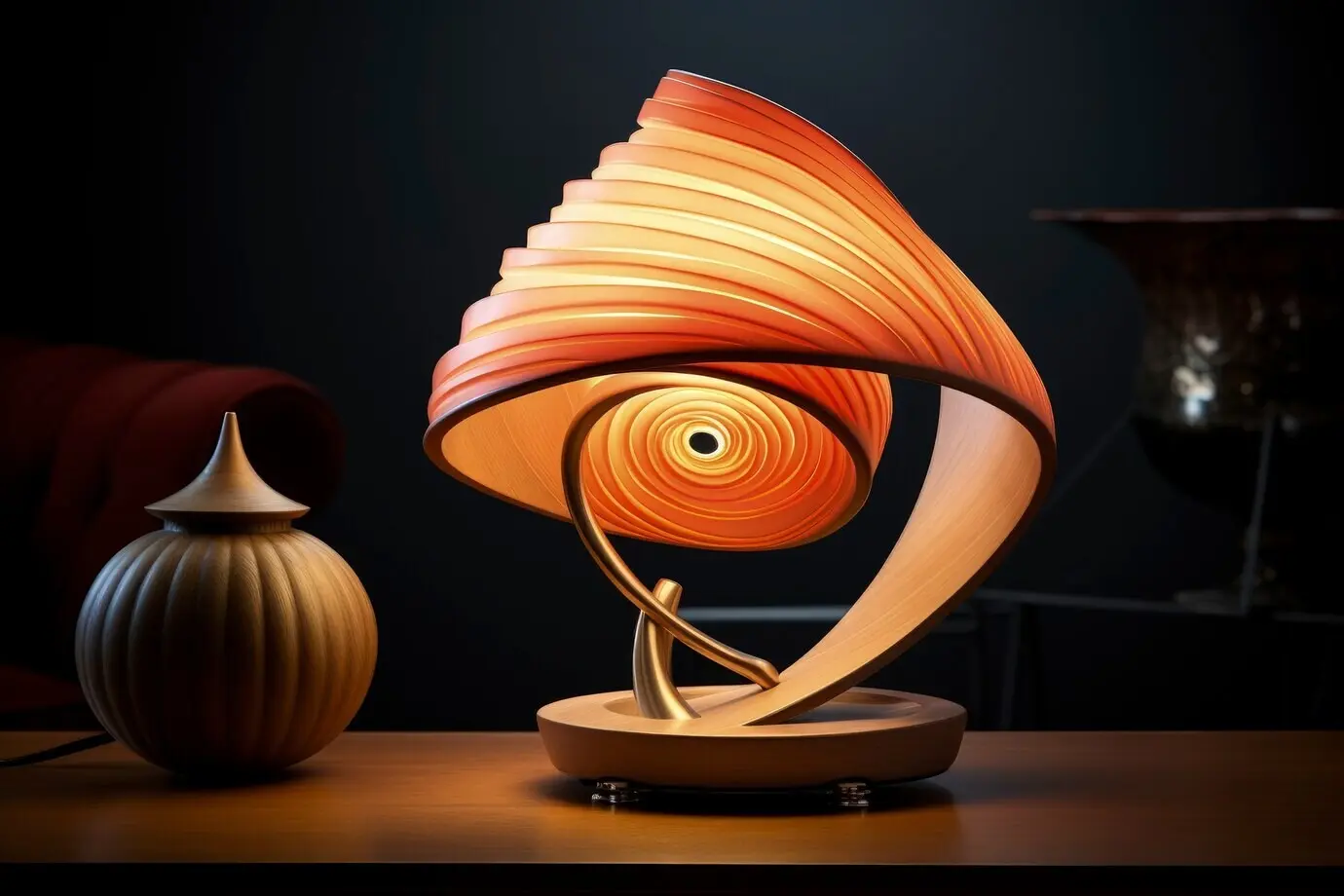
Table and floor lamps with opal diffusers lend a flattering glow near seating, easing conversation and reading. Choose heavy bases, tactile shades, and quiet silhouettes. Place them where the shade’s edge conceals the lamping, avoiding direct view while layering comfort where people gather.
Color That Calms and Complements

Control, Dimming, and the Poetry of Scenes

Texture, Shadow, and the Beauty of Restraint
A Quiet Makeover: From Harsh to Harmonious
Surveying the Space and Setting Intentions
Start with a simple survey: note glare points, dark corners, and furniture use. Measure approximate lux with a phone, photograph reflections, and list activities. Define feelings you want—welcoming, focused, serene—so choices stay anchored, and every fixture earns its place in the room.
Layer by Layer: The Installation Plan
Lay the ambient layer first with concealed uplight, then add gentle wall washes and human-scale lamps. Use consistent color, deep dimming, and clear circuits for scenes. Verify sightlines seated and standing, ensuring shields hide sources while effects remain visible and kind.
All Rights Reserved.